
CF Burkheimer Sea-Trout (695–4 SEA Titanium) Review
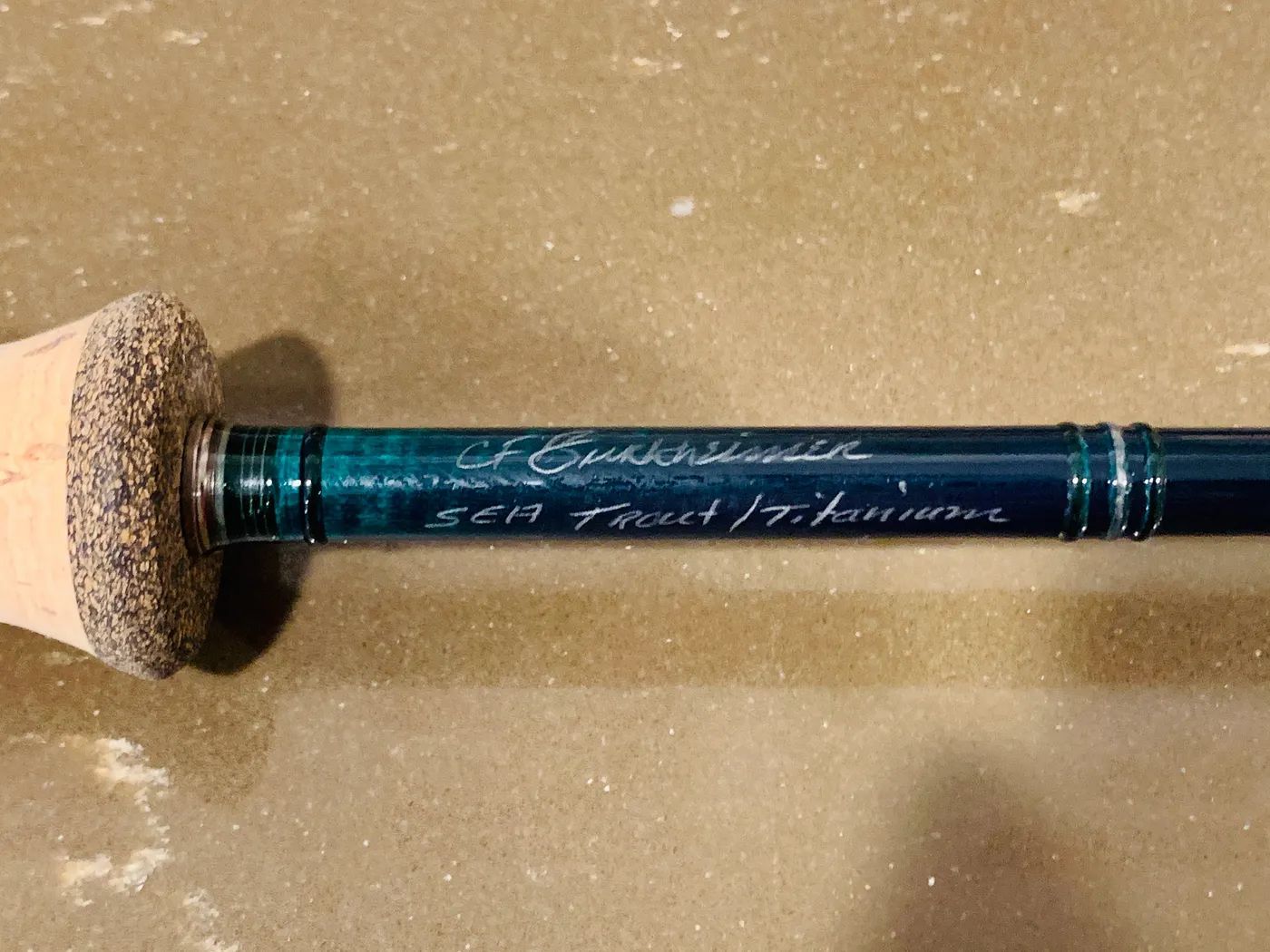
The Burkheimer 695–3 SEA Titanium is one of the most sought after rods for hunting sea-run cutthroat in the Pacific Northwest. TL;DR, the rod is aesthetically beautiful but far from perfect for Pacific Northwest (PNW) Cutthroat. A few tweaks could have made it a strong contender for may daily beach rod. There are much better options for the price that are also local to the Northwest.
I don’t want to get into optimal lines. It’s subjective and personal preference. I tested the rod using a variety of lines. The Sea-Trout 695–4 Titanium handled fine with lines as light as the RIO Coast QuickShooter WF6I to the Airflo 40+ WF6 Floater. This would put the grain range somewhere between 210–261 grains. I also tried adding a light 5 ft sink tip to the Airflo 40+ but it was a no go. It couldn’t reliably turn over the loops.
Prior to testing the Sea-Trout, my daily PNW beach rod was the Sage X 695–4. I have been fishing X for about 4 years. I have tried several different rods over the past few years (e.g., Hardy Zenith 9' 5wt, Sage Igniter in various weights, Sage Salt HD 690–4), but I consistently come back to the Sage X 695–4. I like the extra length to help keep my fly off the beach and the rod is easy to cast for hours at a time.
The first thing I noticed about the Sea-Trout was the is felt distinctly heavier than the Sage X. Digging a little further I found the following:

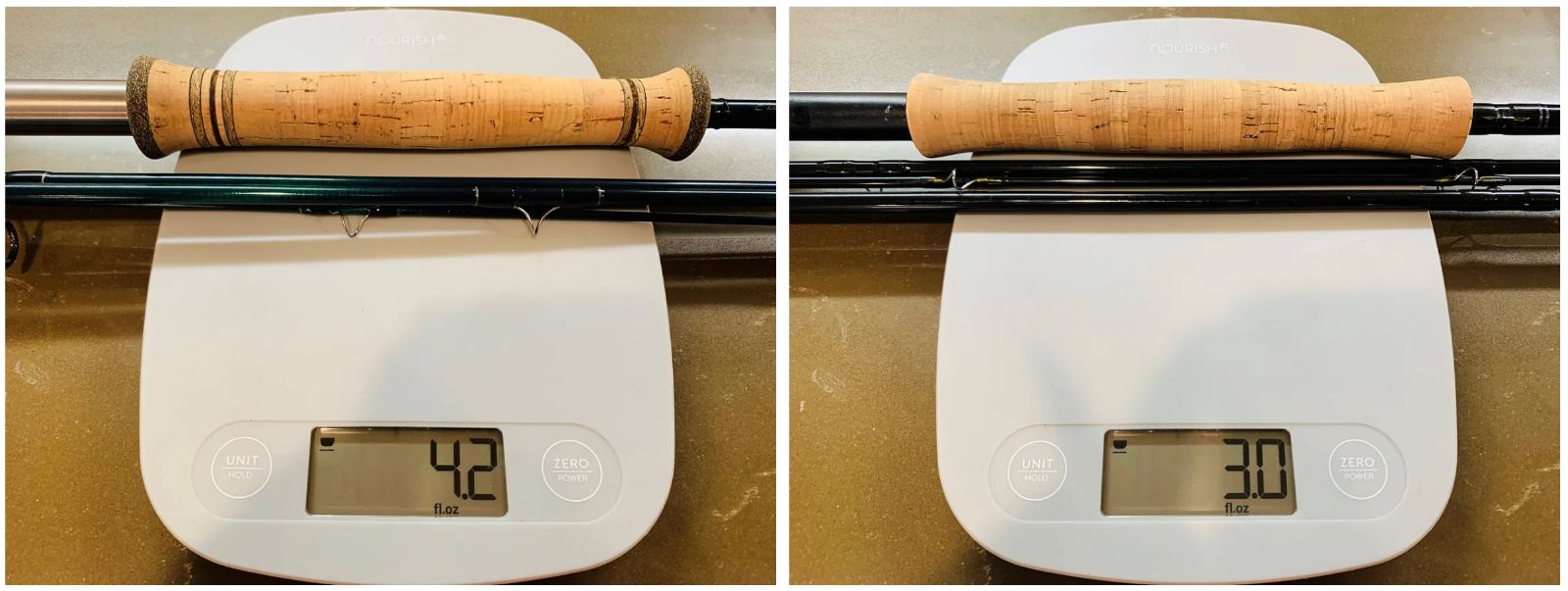
Left: Sea-Trout 695–4 Titanium at 4.2 oz. Right: Sage X 695–4 at 3.0 oz
As you can see from the table above, the Sea-Trout comes in almost a full ounce heavier than advertised. That is about ~30% heavier than advertised on Burkheimer’s site. The Sage X was about 1/8 of an ounce below advertised on Sage’s site.
Looking at the hardware, the smallest snake guides used by the Sage X was a size 1 while the Sea-Trout smallest guide appeared to be a size 4. The Sage X utilized 1 stripping guide (size 12J) while the Sea-Trout utilizes two stripping guides (size 12J and 14J). The Sage X has a total of 12 guides and the Sea-Trout has 10. The Sage X guides where on average 2–3 sizes smaller but much beefier.
The Sea-Trout uses RECOIL ti/nanolite guides. They appear to be light wire. The matte titanium finish was a nice touch matching the titanium reel seat. I have read that the finish can wear on the line over time but I didn’t feel any noticeable difference while casting. The Sage X uses hard chrome snake guides. I couldn’t find the manufacture but I have never had a problem with Sage guides.
I believe the larger guides and action of the rod made the Sea-Trout feel a lot closer to a Sage Salt HD than a Sage X. The Salt HD smallest snake guides are a size 3. The larger guides help the line flow through the rod with less effort but reduces casting accuracy. To be honest, my casting isn’t good enough to notice much of a difference.
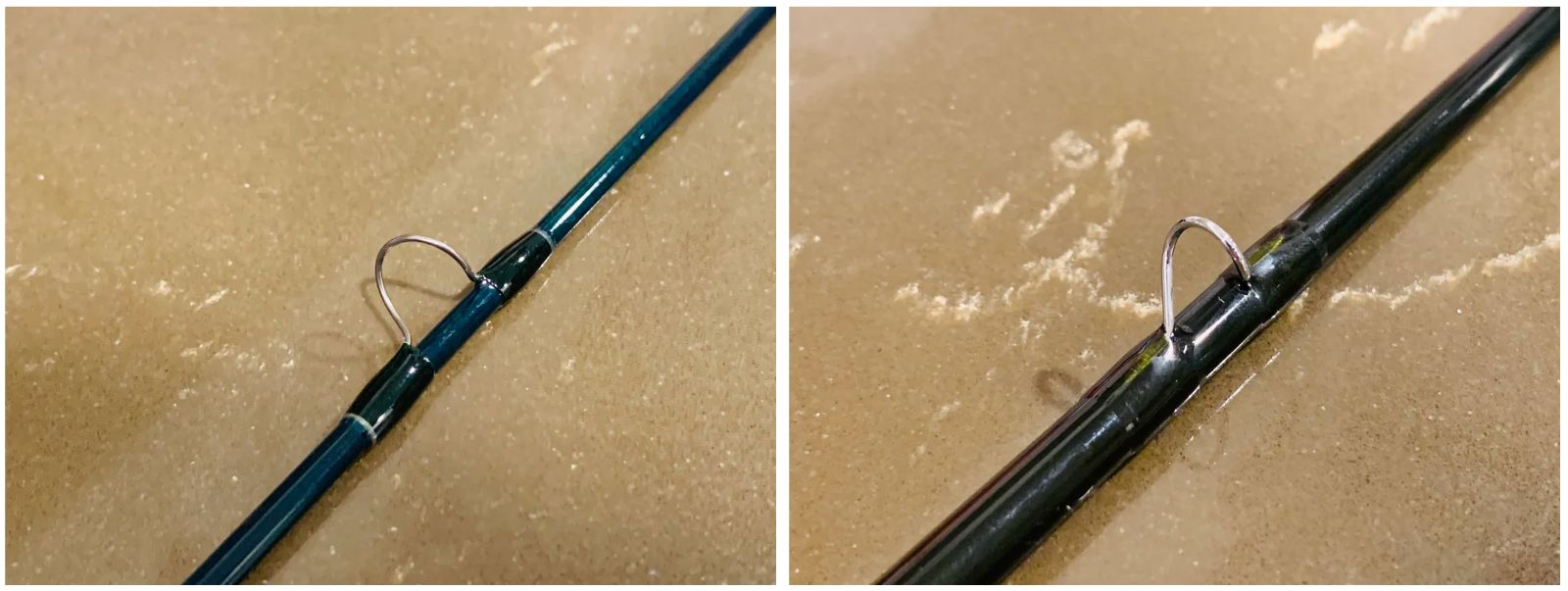
Left: Sea-Trout 695–4 Titanium RECOIL ti/nanolite snake guides, Right: Sage X 695–4 hard chrome snake guides.
The Sage X reel seat is the standard seat found on most Sage rods today. They are aluminum, corrosion resistant, and are time tested. The Sea-Trout seat on the other hand is a beautiful full titanium seat. I believe it’s a Lemke All Titanium Reel Seat ( .687 OD). The Lemke reel seat is slightly bulkier than the Sage reel seat and Titanium is heavier than aluminum. This lead me to believe that the source of the extra weight may be in the handle section. I weighed the two and found that the Sage X seat butt section of the rod weighed 2.1 oz and the Sea-Trout weighed 3.2 oz. This make up almost the entire difference between the two rods. It’s possible that the Classic version of the Sea-Trout is significantly lighter given the simpler handle construction and aluminum seat.
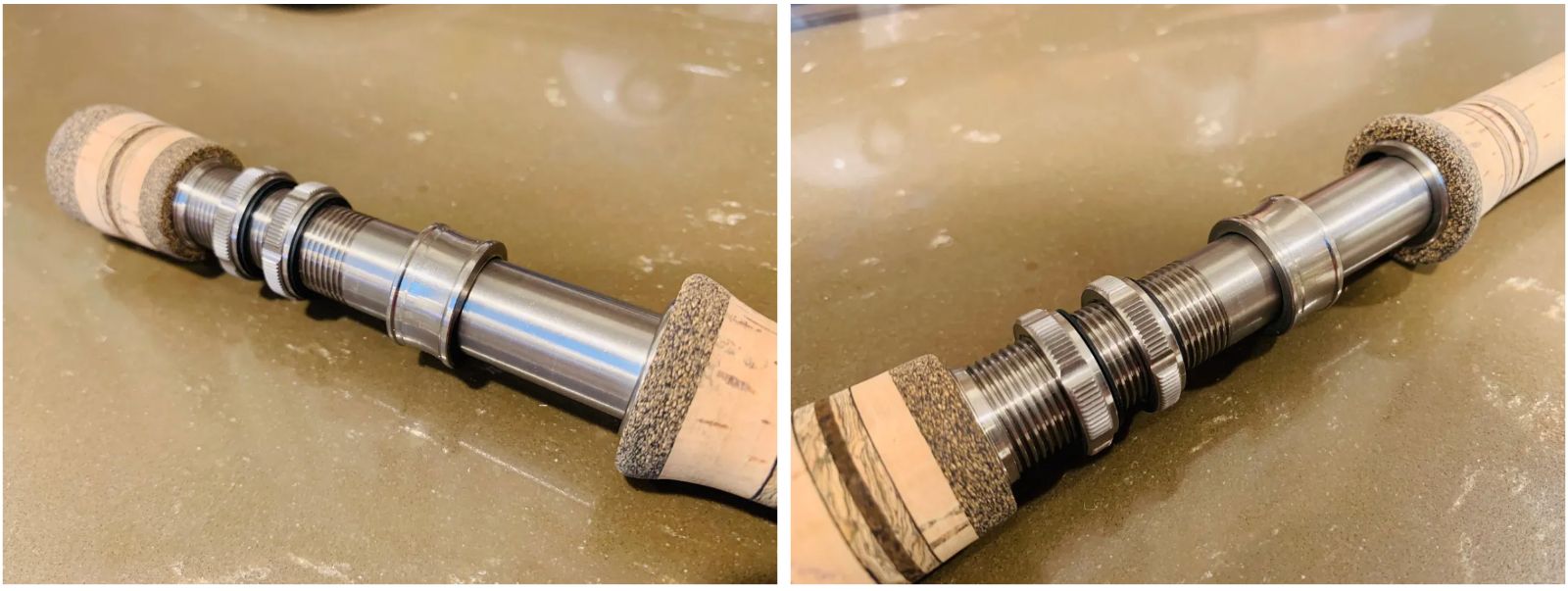
Sea-Trout Lemke All Titanium Reel Seat
For rods that I have built, I have not been able to find the Lemke All Titanium seat for less the about $125. This seat alone makes the Titanium version worth the money over the Classic version. The machining is precise with clean lines and rounded edges. I don’t have the exact weight but it probably heavier than the Sage seat.
The handle on the Sea-Trout is superb. I measure handles by the quality of the cork and by how long it was take me to make a similar handle. I would easily put the Sea-Trout on the high-end for rod handles. The Sea-Trout uses x-select Flor grade cork and the the Sage X uses Flor grade cork. They look about the same when purchased. The difference shows over time. The x-select Flor will wear better / evenly over time. In my experience, x-select doesn’t last significantly longer. This difference is primarily cosmetic.
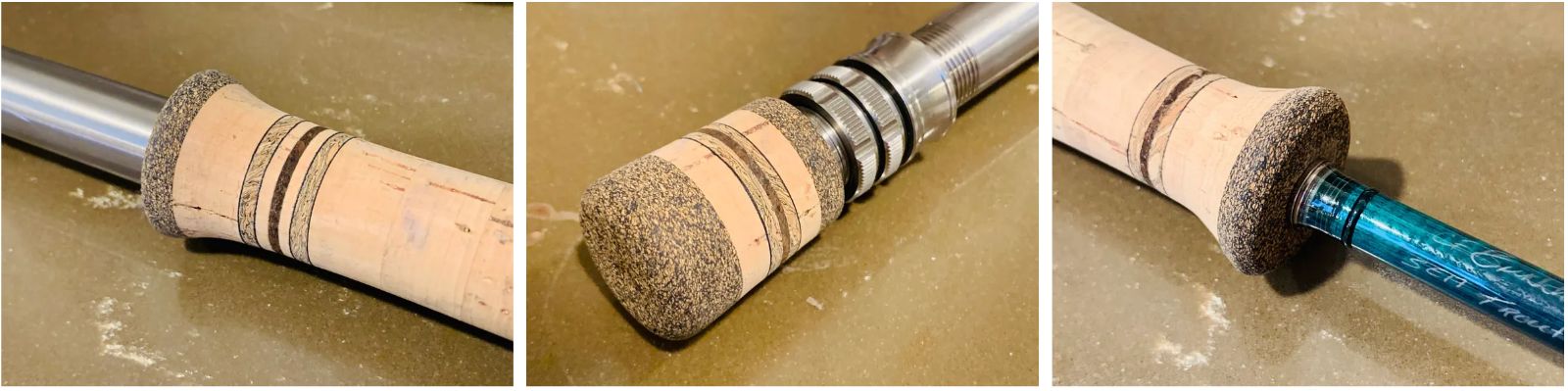
Comparing craftsmanship, the Sea-Trout Titanium is a clearly superior rod. Each rod is hand made and it shows in the craftsmanship. The Sage X is utilitarian by design. The downside of the Sea-Trout Titanium is that some of the design choices that make it unique also make it a bit heavier and slightly less precise.
The Sage X will continue to be my daily driver. It lighter and easier to take on long days of fishing. I would love to make the Sea-Trout my daily rod, but it would need smaller guide set (e.g., start with a size 1 at the top, more guides, and 1 stripper) similar to Sage X and lightened up the rod a little (overall weight and action). The heavy hardware isn’t necessary for the PWN. I would love to review the 595–4 SEA Classic if it comes in closer to the advertised weight.
If you are going after Cutthroat on beaches in the PNW, take the Sage X 695–4. It’s going to keep you fishing all day. Take the Sea-Trout if you need to impress your friends…
Be the first to like this
Organize your fly tying bench
Track your materials, match them to patterns you can tie right now, and never buy duplicate hackle again. Free to start.
Comments