 Fly Tying Inventory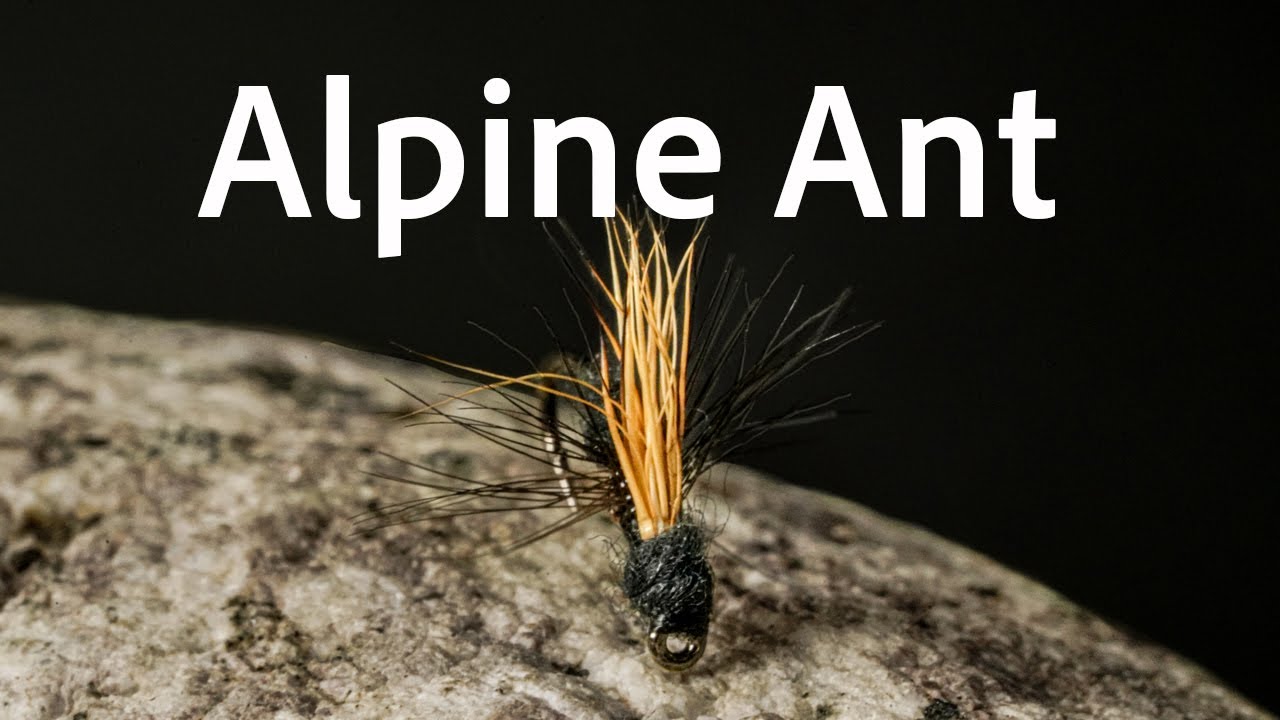
Alpine Ant
A compact terrestrial pattern tied on a stubby hook for high-country streams and alpine creeks. The elk hair wing keeps it afloat in heavy riffles while Midge Flash gives just enough shimmer to imitate a real ant on the surface.
🪶 Ready to tie this?
This pattern needs 6 materials. Sign up free to check which ones you already own.
Materials
Umpqua X-Series XT050 BN5X Stubby T Dry Fly Hook, Size 16
Whiting Farms Pro Grade 1/2 Cape Feathers, Black
Hareline Super Fine Dry Fly Dubbing, Black
Wapsi Midge Flash, Pearl
Semperfli Nano Silk, Black
Wapsi Elk Body Hair
How to Tie the Alpine Ant
- 1
Step 1
Select and secure the hook. Place a size 16 Umpqua Stubby T dry fly hook in your vise and secure it tightly.
- 2
Step 2
Lay down the thread base. Using black thread, start wrapping just behind the eye and continue down to the bend in smooth, even turns. This creates a foundation for materials to grip.
- 3
Step 3
Build the abdomen. Apply a small pinch of Hareline Super Fine Dry Fly Dubbing (black) to the thread, twist to form a tight noodle and wrap forward to create a segmented abdomen. Keep the shape slightly tapered, thicker toward the thorax.
- 4
Step 4
Tie in the wing flash. Use Wapsi Midge Flash in Pearl, cut a short strand and tie it in at the midpoint of the hook shank. Position it so it extends slightly past the bend, mimicking a wing shimmer.
- 5
Step 5
Add the elk hair wings. Clip a small bunch of Wapsi Elk Body Hair, clean out the underfur. Stack the tips and tie them in over the flash, tips extending just past the bend. Secure with tight thread wraps and trim the butts cleanly.
- 6
Step 6
Prepare and wrap the hackle. Select a feather from Whiting Farms Pro Grade Cape (black). Strip the base fibers and tie in the stem just in front of the wing. Make 3-4 wraps forward, keeping the hackle evenly spaced. Tie off and trim excess feather.
- 7
Step 7
Form the head and finish. Build a small thread head just behind the eye, whip finish with 4-5 turns and cut the thread. Apply a drop of head cement for durability.
Best late summer to early fall during ant falls. Sizes 14-18 most effective. Use a dead drift near banks and under overhanging vegetation. Great as a search pattern — trout are opportunistic ant feeders.
Watch Tying Tutorial
https://www.youtube.com/watch?v=UAC3M1mGgLU
Credit: AvidMax / Taylor