 Fly Tying Inventory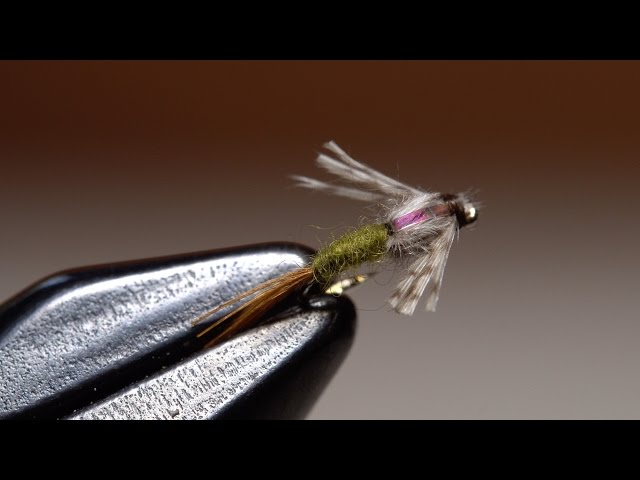
Barr's Emerger BWO
John Barr's Emerger BWO (Blue-Winged Olive) is a classic pattern that imitates the transitional stage of Baetis mayflies as they emerge from nymphs to adults. Its slim olive body, wood duck wing, and beaver dubbing thorax ride in the surface film where trout feed most aggressively on vulnerable emergers. Effective as a single fly or dropper off a dry, it's a must-have for western tailwaters and spring creeks.
🪶 Ready to tie this?
This pattern needs 7 materials. Sign up free to check which ones you already own.
Materials
2X-short emerger hook (Dai-Riki 125 or TMC 2487/2488), sizes 16-24
Dark brown or Iron Dun 8/0 or 16/0 Veevus
Brown or ginger spade hackle fibers (8-10 fibers)
Olive or olive-brown Superfine Dubbing or beaver dubbing
1 strand Flashabou or Krystal Flash (for flashback version)
Dark dun spade hackle fibers or wood duck flank feather (10-12 fibers)
Natural beaver, muskrat, or gray dubbing
How to Tie the Barr's Emerger BWO
- 1
Step 1
Place the hook in the vise. Start thread behind the eye and wrap a smooth base to about halfway down the bend.
- 2
Step 2
Strip 8-10 brown or ginger spade hackle fibers and tie them at the bend as a trailing shuck, extending about shank length beyond the hook.
- 3
Step 3
Dub a slim, tapered abdomen from olive or olive-brown dubbing, starting from the tail tie-in and building forward to about two-thirds of the shank.
Match the olive dubbing shade to your local BWO naturals for best results.
- 4
Step 4
Select about 10-12 fibers of dark dun hackle or wood duck. Tie onto the top of the shank at the front of the abdomen, tips extending over the hook eye.
- 5
Step 5
Dub a tapered thorax with natural beaver or muskrat gray dubbing, wider than the abdomen, covering the forward third of the shank.
- 6
Step 6
Pull the wingcase fibers forward over the thorax. Secure at the front, just behind the hook eye.
- 7
Step 7
Divide remaining wingcase fibers to either side to imitate legs and secure with a thread wrap.
- 8
Step 8
Build a small thread head, whip finish, and apply head cement.
Watch Tying Tutorial
https://www.youtube.com/watch?v=JmJXuEvogMU
Credit: John Barr