 Fly Tying Inventory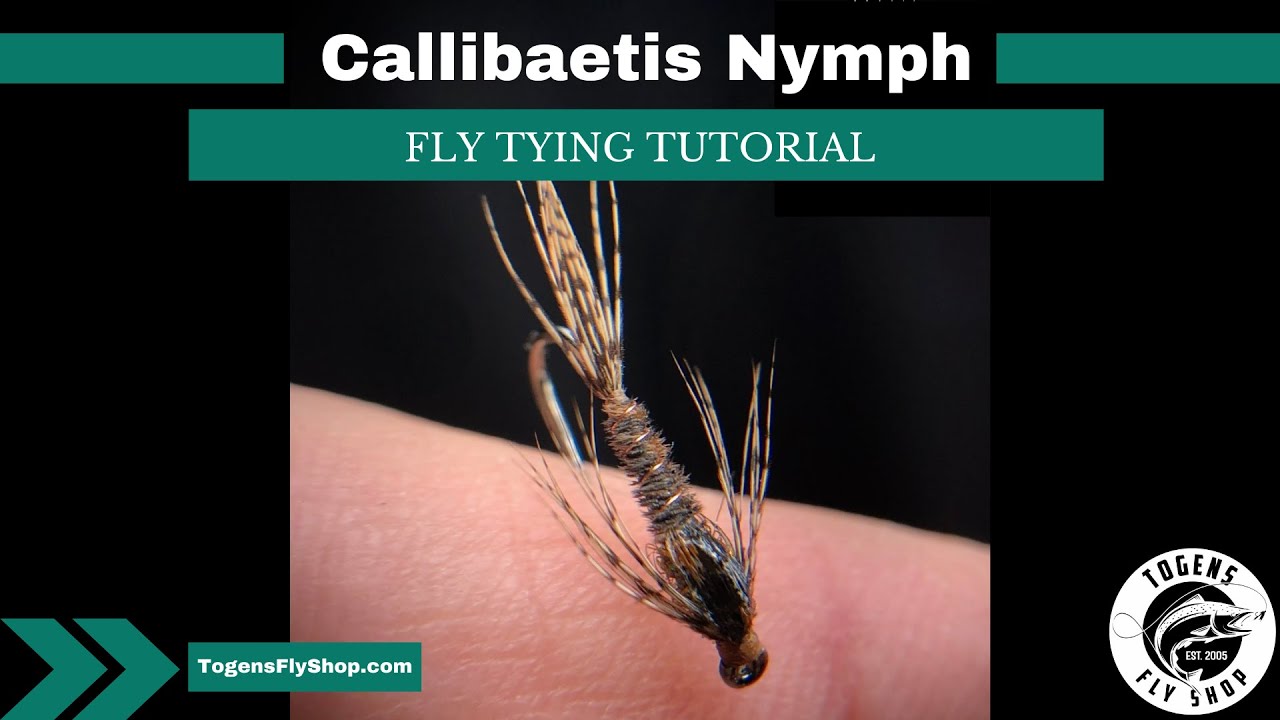
Callibaetis Nymph
A classic stillwater nymph imitating the Callibaetis mayfly nymph, one of the most important food sources for trout in western lakes. Based on Denny Rickards' proven recipe using hare's ear dubbing and lemon wood duck for the tail and wingcase. Fish near weed beds with a slow hand-twist retrieve.
🪶 Ready to tie this?
This pattern needs 7 materials. Sign up free to check which ones you already own.
Materials
TMC 3761 or Daiichi 1710, sizes 12-16, 2X long
Tan, brown, or olive 6/0 or 8/0
Lemon wood duck flank feather or dyed mallard flank
Small copper wire
Hare's ear dubbing, natural or tan
Grizzly saddle hackle, small
Lemon wood duck feather (excess from tail)
How to Tie the Callibaetis Nymph
- 1
Step 1
Place the hook securely in the vise. Wrap thread from the eye to the bend.
- 2
Step 2
Select a small bunch of lemon wood duck flank. Measure to about shank length and tie in at the bend for the tail. Do not trim the excess – it becomes the wing case.
- 3
Step 3
Tie in a piece of small copper wire at the base of the tail for ribbing.
- 4
Step 4
Tie in a grizzly hackle feather by the tip at the same tie-in point.
- 5
Step 5
Dub a slightly tapered body of hare's ear dubbing along the hook shank, ending about 1/16" behind the eye.
Keep the body slim and slightly rough for a natural appearance.
- 6
Step 6
Wrap the grizzly hackle forward 3-4 turns over the dubbed body. Tie off.
- 7
Step 7
Counter-wrap the copper wire forward in 6-8 segments to secure the hackle. Tie off and trim.
- 8
Step 8
Trim hackle on top and sides, leaving barbs along the bottom as legs.
- 9
Step 9
Pull the remaining wood duck over the top as a wing case. Tie down behind the eye.
- 10
Step 10
Whip finish, trim thread, and apply a small drop of head cement.
Watch Tying Tutorial
https://www.youtube.com/watch?v=NseEzZhZST8
Credit: Denny Rickards