 Fly Tying Inventory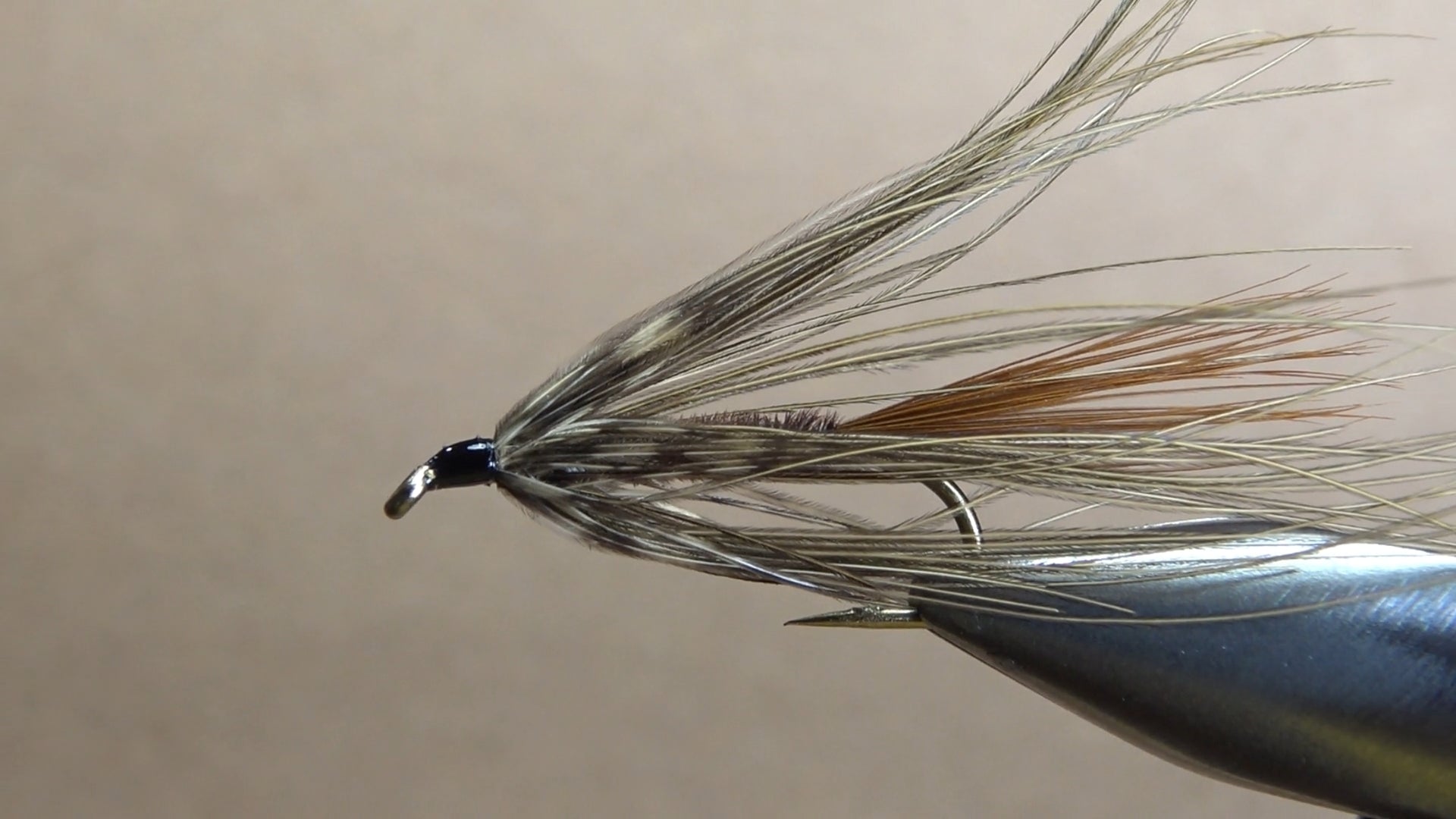
Carey Special
Originating in British Columbia in the 1930s and popularized by Roderick Haig-Brown, the Carey Special is the quintessential PNW stillwater fly. The pheasant rump hackle provides incredible lifelike movement, imitating dragonfly nymphs, damselfly nymphs, caddis pupae, and leeches. Simple to tie with just a few materials, it's devastating when retrieved slowly in lakes throughout BC and the Pacific Northwest.
🪶 Ready to tie this?
This pattern needs 6 materials. Sign up free to check which ones you already own.
Materials
3XL wet fly or nymph hook, sizes 6-12 (Mustad 9672 or TMC 5263)
Black 6/0
Pheasant rump feather fibers, sparse
Pheasant tail fibers, wrapped
Pheasant rump feather (blue phase or brown), collar style, 1-3 wraps
How to Tie the Carey Special
- 1
Step 1
Place the hook in the vise and start black thread at the eye, wrapping back to the bend.
- 2
Step 2
Optionally tie in a sparse bunch of pheasant rump fibers as a short tail, roughly the length of the hook gap. Trim excess butts.
- 3
Step 3
If using a rib, tie in gold wire or additional thread at the tail position.
- 4
Step 4
Tie in pheasant tail fibers by the tips and wrap forward to form a smooth, slightly tapered body. Secure and trim. Alternatively, tie in 4-5 strands of peacock herl, twist with thread for strength, and wrap forward.
For peacock herl bodies, twisting the herl with thread creates a durable rope that won't fall apart after a fish.
- 5
Step 5
If using a rib, counter-wrap it forward in open spirals for segmentation. Tie off and trim.
- 6
Step 6
Select a pheasant rump feather with fibers about hook-shank length. Strip off the fluff, tie in by the tip just behind the eye, and take 1-3 wraps to form a soft, mobile collar. Stroke fibers rearward as you wrap. Tie off and trim.
Keep the hackle sparse—just 1-2 turns is often enough. The pheasant rump's natural motion is what makes this fly deadly.
- 7
Step 7
Build a neat thread head, whip finish, and apply head cement.
Watch Tying Tutorial
https://www.youtube.com/watch?v=WofYY4cBFzU
Credit: Colonel Carey / Roderick Haig-Brown (1930s)