 Fly Tying Inventory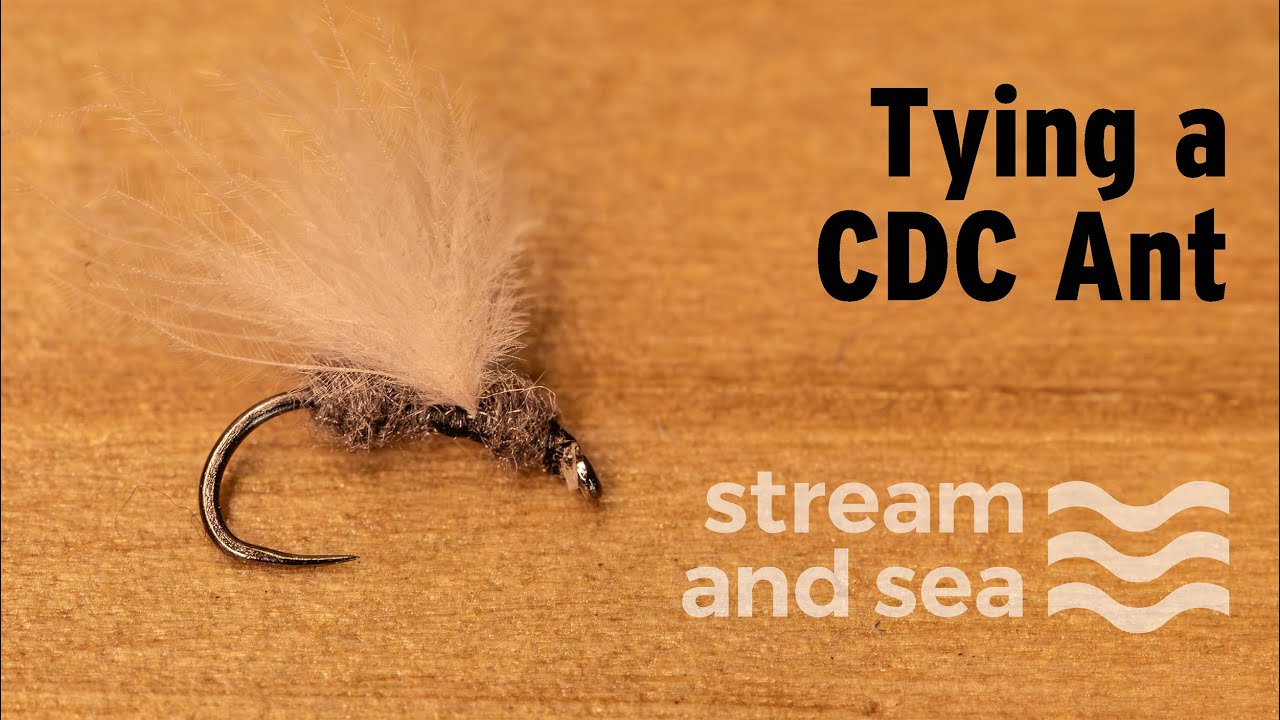
CDC Ant
A delicate ant imitation using CDC (Cul de Canard) feathers for the wing, which provides natural buoyancy and a realistic silhouette in the surface film. The dubbed body creates the distinctive two-humped ant profile. Extremely effective during summer when ants fall onto the water. One of the best patterns for selective, surface-feeding trout on calm water.
🪶 Ready to tie this?
This pattern needs 7 materials. Sign up free to check which ones you already own.
Materials
Dry fly hook, sizes 14-20 (Tiemco 100 or similar)
Black 8/0 (UTC 70 Denier or UNI 8/0)
Black superfine or synthetic dubbing
Black superfine dubbing
CDC feather (dun, tan, or white)
Black or brown dry fly hackle
How to Tie the CDC Ant
- 1
Step 1
Place hook in vise. Start thread behind the eye and wrap backward to the bend.
- 2
Step 2
If using a foam overbody, cut a thin strip and tie in along the near side of the hook at the bend.
- 3
Step 3
Spin a noodle of black dubbing on the thread and wrap to form a small, rounded rear segment (abdomen) mimicking the ant's gaster.
Make the abdomen slightly larger than the thorax for realistic ant proportions.
- 4
Step 4
If using foam, fold it forward and tie down just forward of the abdomen to create the ant's waist.
- 5
Step 5
Dub a slightly smaller segment forward for the thorax, leaving a gap behind the eye for the wing tie-in.
- 6
Step 6
Prepare a CDC plume by stroking fibers together. Measure so it extends roughly a hook-gap rearward. Tie in over the thorax and trim the butts.
- 7
Step 7
If using hackle, tie in a small black or brown hackle and make 2-3 turns through the thorax for buoyancy and leg suggestion. Trim bottom fibers so the fly sits flush.
Trimming the underside hackle fibers helps the fly ride low and realistic in the film.
- 8
Step 8
Whip finish, trim any stray fibers, and apply a tiny drop of head cement.
Watch Tying Tutorial
https://www.youtube.com/watch?v=7cb3NdCIK28
Credit: Traditional / Shimazaki / Harrop