 Fly Tying Inventory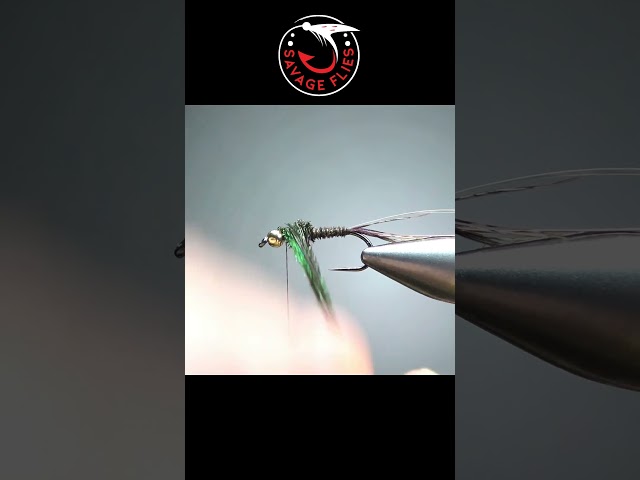
CDC Pheasant Tail
A modern Pheasant Tail variant replacing traditional legs with a CDC soft hackle collar that provides exceptional underwater movement. The CDC fibers pulse and breathe in the current, perfectly suggesting an emerging mayfly nymph. Combines the proven fish-catching profile of the classic PTN with the lifelike action of CDC feathers.
🪶 Ready to tie this?
This pattern needs 9 materials. Sign up free to check which ones you already own.
Materials
Nymph hook (TMC 5262 or equivalent), sizes 12-18
Copper or gold tungsten bead
Rusty brown or dark brown 8/0
Natural pheasant tail fibers, 8-10 strands
Fine copper wire
Pheasant tail fibers
Pearl Flashabou or mini flat braid
Peacock herl, 1-2 strands
Natural CDC feather (dun or brown), 1-2 turns
How to Tie the CDC Pheasant Tail
- 1
Step 1
Optionally slide a bead onto the hook. Add wraps of lead wire behind the bead if extra weight is desired, then push wraps into the bead.
- 2
Step 2
Start thread behind the bead and cover the lead wraps to create a smooth underbody.
- 3
Step 3
Take 8-10 pheasant tail fibers, even the tips, and tie in at the bend as a tail about half the shank length. Secure on top of the shank.
- 4
Step 4
Tie in fine copper wire behind the bead, then run thread back to the bend. Tie in body pheasant tail fibers by their tips.
- 5
Step 5
Wrap pheasant tail fibers forward to form a slender abdomen. Tie off behind the bead.
- 6
Step 6
Counter-wrap the copper wire ribbing forward over the abdomen. Secure and trim.
Counter-wrapping protects the fragile pheasant tail fibers from trout teeth.
- 7
Step 7
Optionally tie in a strip of pearl Flashabou for a flashback wingcase.
- 8
Step 8
Tie in 1-2 strands of peacock herl and wrap to build a thorax thicker than the abdomen behind the bead. Tie off and trim.
- 9
Step 9
Prepare a CDC feather by fluffing the fibers. Tie in by the tip just behind the bead and wrap 1-2 turns as a soft hackle, stroking fibers rearward as you wrap.
- 10
Step 10
Tie off the CDC feather and trim the stem. Whip finish behind the bead and optionally add head cement.
Watch Tying Tutorial
https://www.youtube.com/watch?v=3B9RJtvAN2g
Credit: Modern variant