 Fly Tying Inventory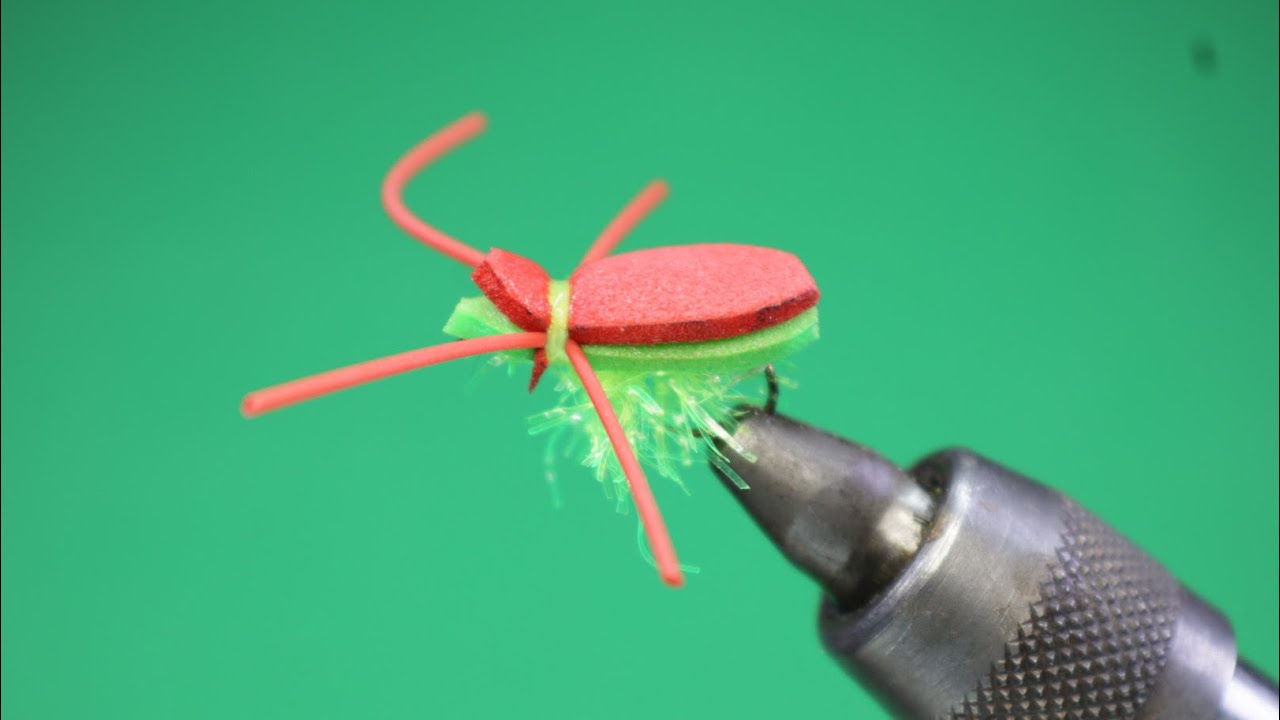
Foam Spider
A simple, deadly stillwater pattern built from craft foam and rubber legs. Designed for panfish and trout in ponds, lakes, and slow water. The wiggly rubber legs and unsinkable foam body draw explosive surface strikes. One of the easiest flies to tie, making it perfect for beginners, while remaining effective enough for experienced anglers targeting bluegill, crappie, and trout year-round.
🪶 Ready to tie this?
This pattern needs 6 materials. Sign up free to check which ones you already own.
Materials
Dry fly hook, sizes 10-14 (Mustad 94840 or similar)
6/0 or 8/0, color to match foam
2mm closed-cell craft foam strip (black, chartreuse, or other colors)
Medium or fine round rubber legs (black, chartreuse, or barred)
How to Tie the Foam Spider
- 1
Step 1
Wrap thread from the hook eye to the bend in tight, smooth wraps covering the full shank.
- 2
Step 2
Cut two pieces of rubber leg material about 3 inches each. Fold a leg in half and tie in at the rear third of the hook shank so each half points out to the sides. Repeat at the front third for a second pair.
- 3
Step 3
Cut a strip of foam about one-quarter inch wide and 2 inches long for a size 10 hook. Clip one end to a point for easier tie-in.
Scale foam width to hook size: narrower for smaller hooks.
- 4
Step 4
Tie in the pointed end of the foam at the rear of the shank. Optionally wrap Estaz or chenille as an underbody before folding foam over.
- 5
Step 5
Fold the foam forward over the shank and tie down just behind the hook eye, leaving about an eighth inch for the head.
- 6
Step 6
Whip finish the thread and trim the excess foam to shape a small spider head. Apply super glue or UV resin to the thread wraps for durability.
- 7
Step 7
Trim rubber legs to desired length. Longer legs provide more action and attract more attention.
Watch Tying Tutorial
https://www.youtube.com/watch?v=g_RJPqbP6bs
Credit: Traditional