 Fly Tying Inventory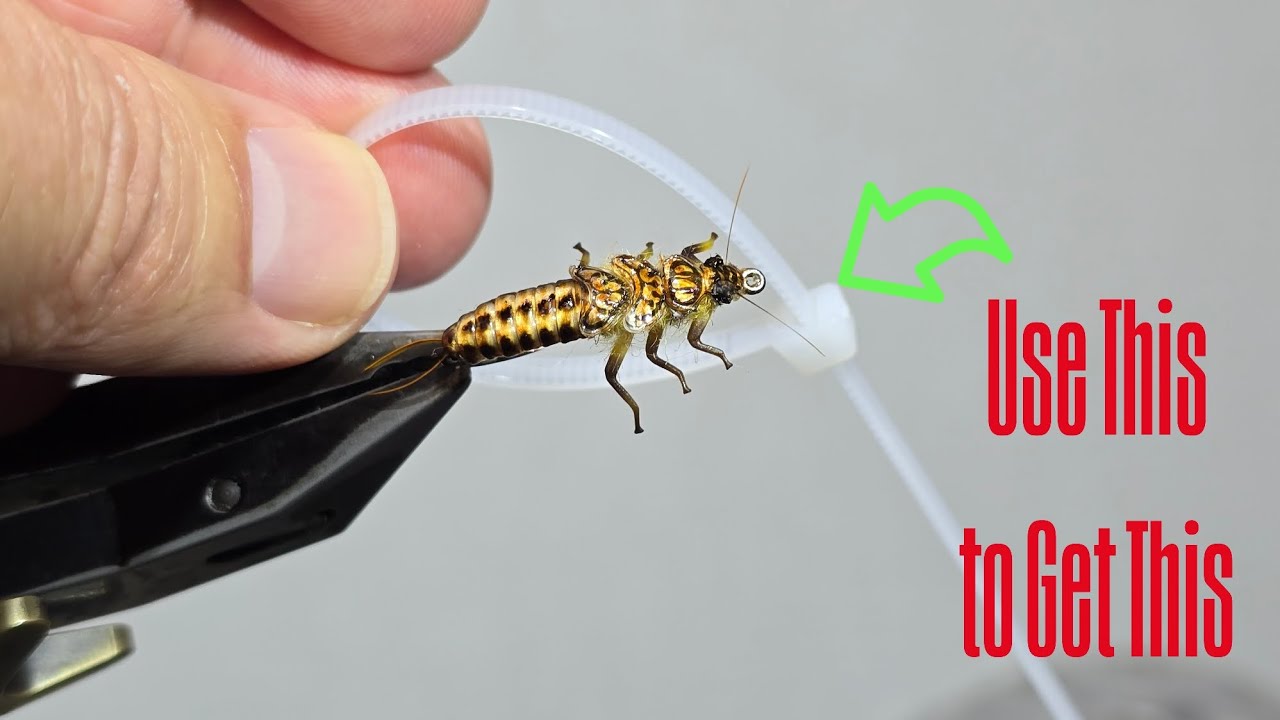
Golden Stonefly Nymph
A classic, anatomically realistic imitation of the golden stonefly nymph (Perlidae family). Features goose biot tails, dubbed body with wire rib for segmentation, and a pronounced wingcase. Highly effective during pre-hatch drift and emergence periods on western freestone rivers.
🪶 Ready to tie this?
This pattern needs 10 materials. Sign up free to check which ones you already own.
Materials
3XL nymph hook (TMC 5262 or Dai-Riki 285), size 6-12
Gold or black tungsten bead, 7/64" to 5/32"
Lead-free round wire .020
Yellow 8/0 or 70 denier
Amber goose biots, two, splayed
Gold Ultra Wire, brassie size
Golden Stone Australian possum dubbing or golden-brown Hare's Ear dubbing
Dyed-yellow pheasant tail fibers or mottled turkey tail
Golden Stone Australian possum dubbing, picked out for legs
Picked-out thorax dubbing or brown rubber legs
How to Tie the Golden Stonefly Nymph
- 1
Step 1
Slide the bead onto the hook if using one. Secure the hook in the vise and wrap lead-free wire behind the bead for weight. Start the thread and cover the wire with a smooth base.
- 2
Step 2
At the bend, tie in two amber goose biots splayed outward for the tail. Apply a small drop of cement to secure them.
Splay biots by tying one on each side of the shank with tight thread wraps and a small thread dam between them.
- 3
Step 3
Tie in the gold Ultra Wire at the tail base for ribbing.
- 4
Step 4
Dub a tapered abdomen with golden stone dubbing, wrapping forward to the 60% point on the shank.
- 5
Step 5
Counter-wrap the gold wire rib forward over the dubbed body in evenly spaced turns. Tie off and trim.
- 6
Step 6
Tie in a section of pheasant tail fibers or turkey for the wingcase at the front of the abdomen.
- 7
Step 7
Dub a robust thorax with the same dubbing, making it slightly bulkier than the abdomen.
- 8
Step 8
Pull the wingcase material forward over the thorax and tie down behind the bead. Trim excess.
- 9
Step 9
Use a dubbing needle to pick out thorax fibers on the underside to suggest legs. Whip finish and apply UV resin to the wingcase for durability.
Watch Tying Tutorial
https://www.youtube.com/watch?v=rVXWel4vVKM
Credit: Traditional / Orvis