 Fly Tying Inventory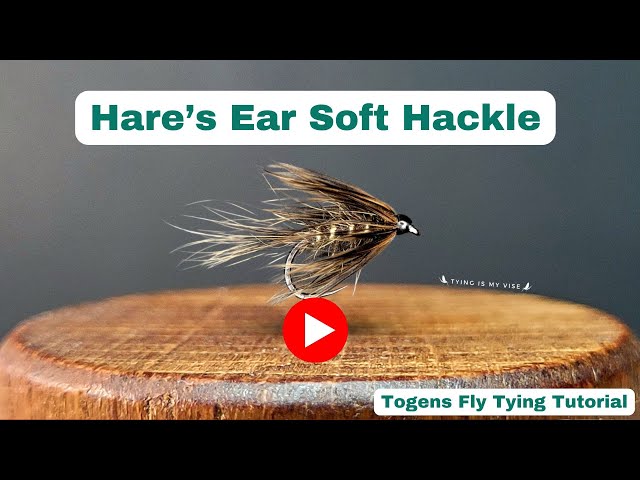
Grey Sowbug/Scud
A realistic imitation of freshwater sowbugs and scuds—a staple food source for trout in tailwaters, spring creeks, and spring-fed rivers. The grey scud back shell and segmented wire rib create a convincing crustacean profile. Fish it dead-drifted along the bottom near aquatic vegetation where naturals are most abundant.
🪶 Ready to tie this?
This pattern needs 8 materials. Sign up free to check which ones you already own.
Materials
Curved nymph/scud hook (Daiichi 1120 or TMC 2457), sizes 14-20
Grey or tan 8/0 (70 denier)
Fine lead-free wire wraps for deeper presentation
Short sparse clump of grey marabou fibers
Grey sow/scud dubbing (Hareline or Wapsi)
Fine silver or black wire
Scud back (thin skin) or pearl Mylar in clear or grey
Picked-out body dubbing or sparse grey hackle fibers
How to Tie the Grey Sowbug/Scud
- 1
Step 1
Place the curved hook in the vise. Optionally wrap a few turns of fine lead-free wire for weight and secure with thread.
- 2
Step 2
Start thread behind the eye and build a smooth base to the bend of the hook.
- 3
Step 3
Optionally tie in a few short, sparse wisps of grey marabou at the bend for a tail.
- 4
Step 4
Tie in a section of scud back (thin skin) along the top of the shank extending beyond the bend. Tie in fine wire along the bottom for ribbing.
- 5
Step 5
Dub the body using grey sow/scud dubbing, forming a slightly flattened, oval profile. For a sowbug, keep the top flatter and wider.
A wider, flatter profile distinguishes a sowbug from a scud.
- 6
Step 6
Pull the scud back/thin skin over the top of the body and secure just behind the eye.
- 7
Step 7
Spiral-wrap the wire rib over the body, segmenting the fly and catching the shell back. Secure at the eye and trim excess.
- 8
Step 8
Pick out dubbing fibers along the sides with a bodkin or toothbrush to create leg-like fibers.
- 9
Step 9
Form a small thread head, whip finish, and add head cement.
Watch Tying Tutorial
https://www.youtube.com/watch?v=NYZIognxies
Credit: Traditional