 Fly Tying Inventory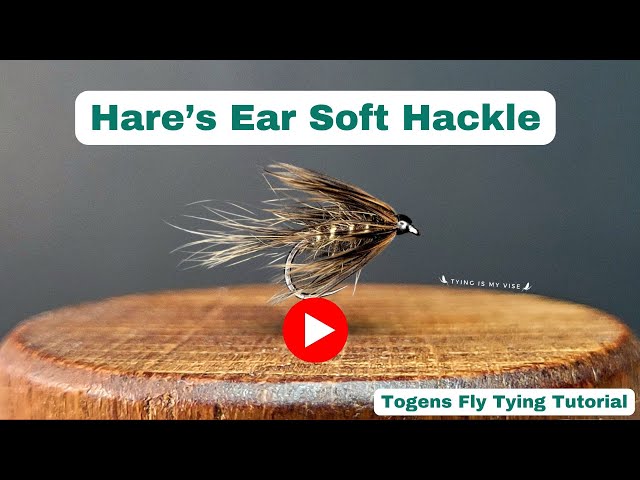
Hare's Ear Soft Hackle
A classic combination of the Gold Ribbed Hare's Ear with a soft hackle collar, creating one of the most versatile subsurface patterns in fly fishing. The buggy hare's ear dubbing body with a pulsing partridge or hen hackle collar suggests a wide range of emerging mayflies, caddis, and other aquatic insects. Equally effective dead-drifted, swung, or fished as a dropper.
🪶 Ready to tie this?
This pattern needs 8 materials. Sign up free to check which ones you already own.
Materials
Wet fly or nymph hook (TMC 3769 or equivalent), sizes 12-16
Copper or gold tungsten bead, 1/8" (3.3mm)
Tan, brown, or camel 8/0
Hare's mask guard hair fibers or pheasant tail fibers
Fine gold or copper wire
Natural hare's ear dubbing (from hare's mask)
Darker or spikier hare's ear dubbing
Hungarian partridge, India hen back, or grizzly hen saddle feather
How to Tie the Hare's Ear Soft Hackle
- 1
Step 1
Optionally add a bead to the hook. Secure the hook in the vise and start thread behind the bead or eye, wrapping back to the bend.
- 2
Step 2
Tie in a small clump of hare's mask or pheasant tail fibers as a tail, about half the shank length.
- 3
Step 3
Tie in fine gold or copper wire at the hook bend for ribbing.
- 4
Step 4
Create a dubbing noodle with hare's ear dubbing and wrap forward to form a rough, buggy body covering 2/3 to 3/4 of the shank. Leave room for the thorax and hackle.
Keep the dubbing rough and spiky for a natural, buggy appearance.
- 5
Step 5
Counter-wrap the wire ribbing forward over the body in open spirals for segmentation and durability. Tie off and trim.
- 6
Step 6
Add darker or spikier dubbing just behind the bead or hook eye to create a pronounced thorax.
- 7
Step 7
Select a soft hackle feather (partridge or hen back). Strip the fluff from the base. Tie in by the tip, shiny side out, in front of the thorax.
- 8
Step 8
Make 1-2 wraps of the hackle, sweeping fibers rearward as you wrap. Secure and trim the stem.
One to two wraps keeps the hackle sparse and mobile—key for soft hackle effectiveness.
- 9
Step 9
Build a thread head, whip finish, and apply head cement.
Watch Tying Tutorial
https://www.youtube.com/watch?v=NYZIognxies
Credit: Traditional