 Fly Tying Inventory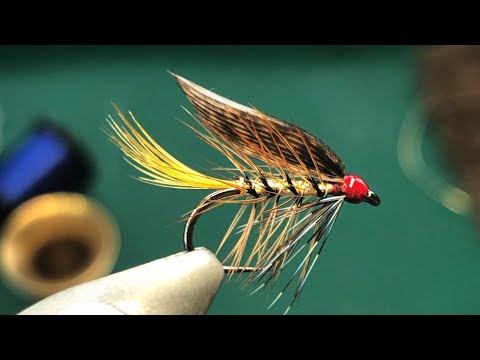
Invicta
A renowned Victorian-era wet fly originally tied by James Ogden in the 1800s, effective for trout and sea trout. Features a yellow seal's fur body with palmered red game hackle, gold wire rib, and a blue jay throat hackle beneath a hen pheasant center tail wing.
🪶 Ready to tie this?
This pattern needs 8 materials. Sign up free to check which ones you already own.
Materials
Wet fly hook, size 8-16 (e.g., TMC 3769 or Partridge SH2)
Brown 8/0 (Uni-Thread)
Golden pheasant crest feather
Fine oval gold tinsel
Yellow seal's fur dubbing (or substitute bright yellow dubbing)
Ginger or light brown cock hackle, palmered over body
Blue jay fibers or dyed blue guinea fowl
Hen pheasant wing quill slips, matched pair
How to Tie the Invicta
- 1
Step 1
Secure the wet fly hook in the vise and start brown thread, wrapping a smooth base to the bend.
- 2
Step 2
Tie in a golden pheasant crest feather as a tail, curving upward slightly.
- 3
Step 3
Attach fine oval gold tinsel for ribbing at the bend.
- 4
Step 4
Dub a body of yellow seal's fur (or substitute), wrapping forward to the thorax area. Keep it slightly fuller than a nymph body.
Authentic yellow seal's fur has a natural sparkle that synthetic materials try to replicate.
- 5
Step 5
Tie in a ginger hackle by the tip at the front of the body. Palmer it rearward in even, open turns over the body to the tail.
- 6
Step 6
Counter-wrap the gold tinsel rib forward through the hackle, securing each turn. Tie off and trim.
- 7
Step 7
Tie in a few fibers of blue jay or dyed blue guinea fowl as a throat hackle beneath the shank.
- 8
Step 8
Cut matched slips from hen pheasant wing quills. Tie them in as wings, shiny sides together, extending to the bend. Build a neat head, whip finish, and varnish.
Watch Tying Tutorial
https://www.youtube.com/watch?v=U6C8Q59Ih3g
Credit: James Ogden (1845) / FFI Fly Tying Skills Award Program (Gold Award)