 Fly Tying Inventory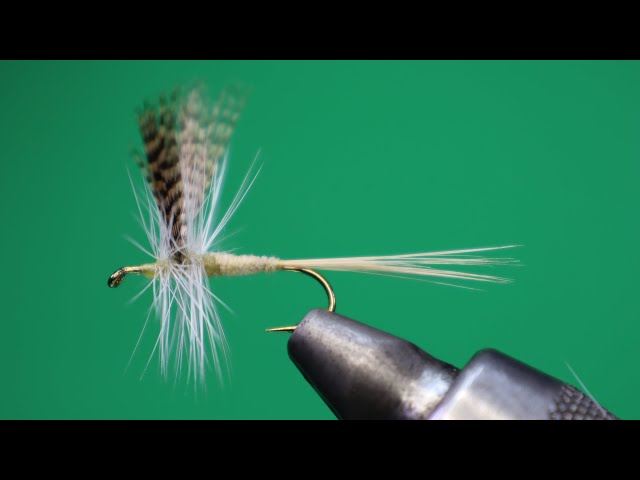
Light Cahill
One of the most iconic American dry fly patterns, closely associated with Dan Cahill, a New York railroad worker who created the original Cahill series in the late 1800s. Theodore Gordon later refined it as a dry fly. The Light Cahill's neutral, cream coloration and elegant Catskill-style silhouette make it an excellent imitation of various pale mayflies including Pale Morning and Evening Duns, typically fished from May through July.
🪶 Ready to tie this?
This pattern needs 6 materials. Sign up free to check which ones you already own.
Materials
Standard dry fly hook (TMC 100, Daiichi 1180), sizes 12-18
Cream or primrose 8/0 (70 denier)
Light ginger or cream hackle fibers
Cream Superfine dubbing or fox underfur
Natural wood duck flank fibers, upright and divided
Light ginger or cream dry fly hackle
How to Tie the Light Cahill
- 1
Step 1
Mount hook and start cream thread, wrapping a base to the bend.
- 2
Step 2
Prepare a wood duck flank feather. Strip fuzzy fibers, measure to shank length, and tie in as upright divided wings using figure-eight wraps.
Wood duck flank gives the classic barred appearance — mallard dyed woodduck is an acceptable substitute.
- 3
Step 3
Tie in light ginger hackle fibers for the tail at the bend, about shank length.
- 4
Step 4
Dub a slim, tapered body of cream dubbing forward to just behind the wings.
- 5
Step 5
Wind light ginger hackle behind and in front of the wings, Catskill style.
- 6
Step 6
Build a small thread head, whip finish, and apply head cement.
Watch Tying Tutorial
https://www.youtube.com/watch?v=CRx81a27qhg
Credit: Dan Cahill (late 1800s), refined as dry fly by Theodore Gordon