 Fly Tying Inventory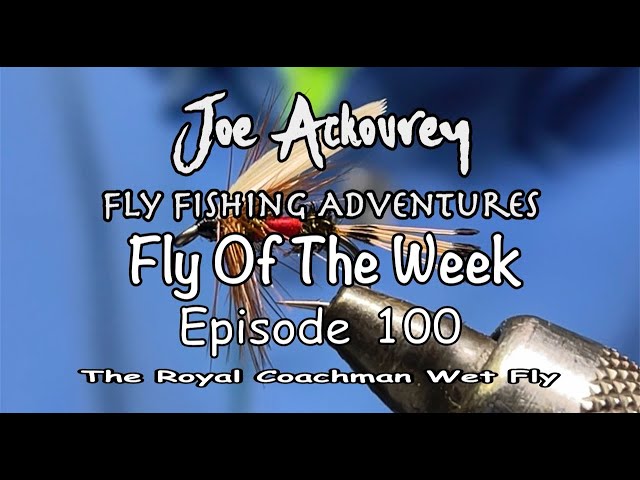
Royal Coachman
One of the most renowned and enduring fly patterns in fishing history. The original Coachman was created by Tom Bosworth in England in the 1830s, while the 'Royal' variation was first tied by John Haily in 1878 in New York, adding the distinctive red floss band and peacock herl. Theodore Gordon later adapted it as a dry fly. The bold peacock herl, red floss, and white wings create an eye-catching attractor that has caught trout for nearly 150 years.
🪶 Ready to tie this?
This pattern needs 8 materials. Sign up free to check which ones you already own.
Materials
Standard dry fly hook, sizes 10-16
Black 6/0 or 8/0
Golden pheasant tippet fibers
Red floss or silk
White duck quill segments, upright and divided
Brown or coachman brown dry fly hackle
How to Tie the Royal Coachman
- 1
Step 1
Mount hook and start black thread at the bend.
- 2
Step 2
Tie in golden pheasant tippet fibers for the tail, about shank length.
- 3
Step 3
Wrap peacock herl for the rear third of the body.
- 4
Step 4
Tie in red floss and wrap a neat band for the middle third.
- 5
Step 5
Wrap peacock herl for the front third of the body to the wing position.
- 6
Step 6
Tie in white duck quill segments as upright, divided wings.
Match a left and right quill section for symmetrical wings that won't spin the fly.
- 7
Step 7
Wind brown hackle in front of the wings, 4-5 turns.
- 8
Step 8
Build a small thread head, whip finish, and apply head cement.
Watch Tying Tutorial
https://www.youtube.com/watch?v=LhxFu3AoQYE
Credit: Tom Bosworth (original Coachman, 1830s), John Haily (Royal variation, 1878)