 Fly Tying Inventory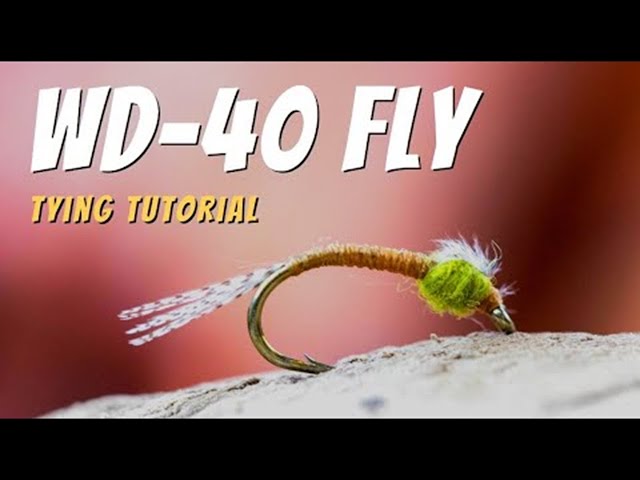
WD-40
A deceptively simple and highly effective emerger pattern that imitates both midge pupae and small Baetis (BWO) nymphs. The WD-40's sparse, low-profile design with mallard flank wingcase is deadly on selective, pressured trout in tailwaters and spring creeks. Best fished in sizes 18-22 during midge or Baetis emergences.
🪶 Ready to tie this?
This pattern needs 6 materials. Sign up free to check which ones you already own.
Materials
TMC 2487 or equivalent curved nymph hook, sizes 16-24
UTC 70 Denier in brown, olive, or tan
Mallard flank or dyed wood duck fibers
Tying thread, wrapped to form a slim tapered body
Mallard flank or wood duck fiber butts (from tail)
Fine gray muskrat dubbing or olive dry fly dubbing
How to Tie the WD-40
- 1
Step 1
Secure the hook in the vise. Start thread mid-shank and wrap back almost to the hook bend.
- 2
Step 2
Select a small bunch of mallard flank or wood duck fibers, even the tips, and tie them in as a short tail at the bend (about half to full shank length). Do not trim the butt ends.
Keep the tail sparse—this is a minimalist pattern.
- 3
Step 3
Wrap the thread forward over the butt ends of the tail fibers to form a slim, tapered thread body, stopping a few eye lengths behind the hook eye.
- 4
Step 4
Pull the butt ends of the mallard forward over the body and set aside for the wingcase.
- 5
Step 5
Dub a small ball of fine muskrat or olive dubbing just in front of the abdomen for the thorax.
- 6
Step 6
Pull the remaining mallard/wood duck fibers over the thorax to form the wingcase. Tie off and trim excess.
- 7
Step 7
Build a small thread head, whip finish, and optionally add head cement.
Fish this pattern on fine 5X-6X tippet for the best presentation in calm water.
Watch Tying Tutorial
https://www.youtube.com/watch?v=c6bf0Q8xCZ0
Credit: Traditional